A guide to Identifying Which Parts of You Are Survival Masks
In the world of my book, Little Bird, survival becomes hiding from the world by becoming someone else. For twelve-year-old Jake, surviving his family's spiral into crisis means becoming the invisible boy. He learns to become the silent observer who does not ask for dinner or attention because the air is already too full of his parents' despair. This is his survival mask: the self-sufficient child who needs nothing so that others can survive.
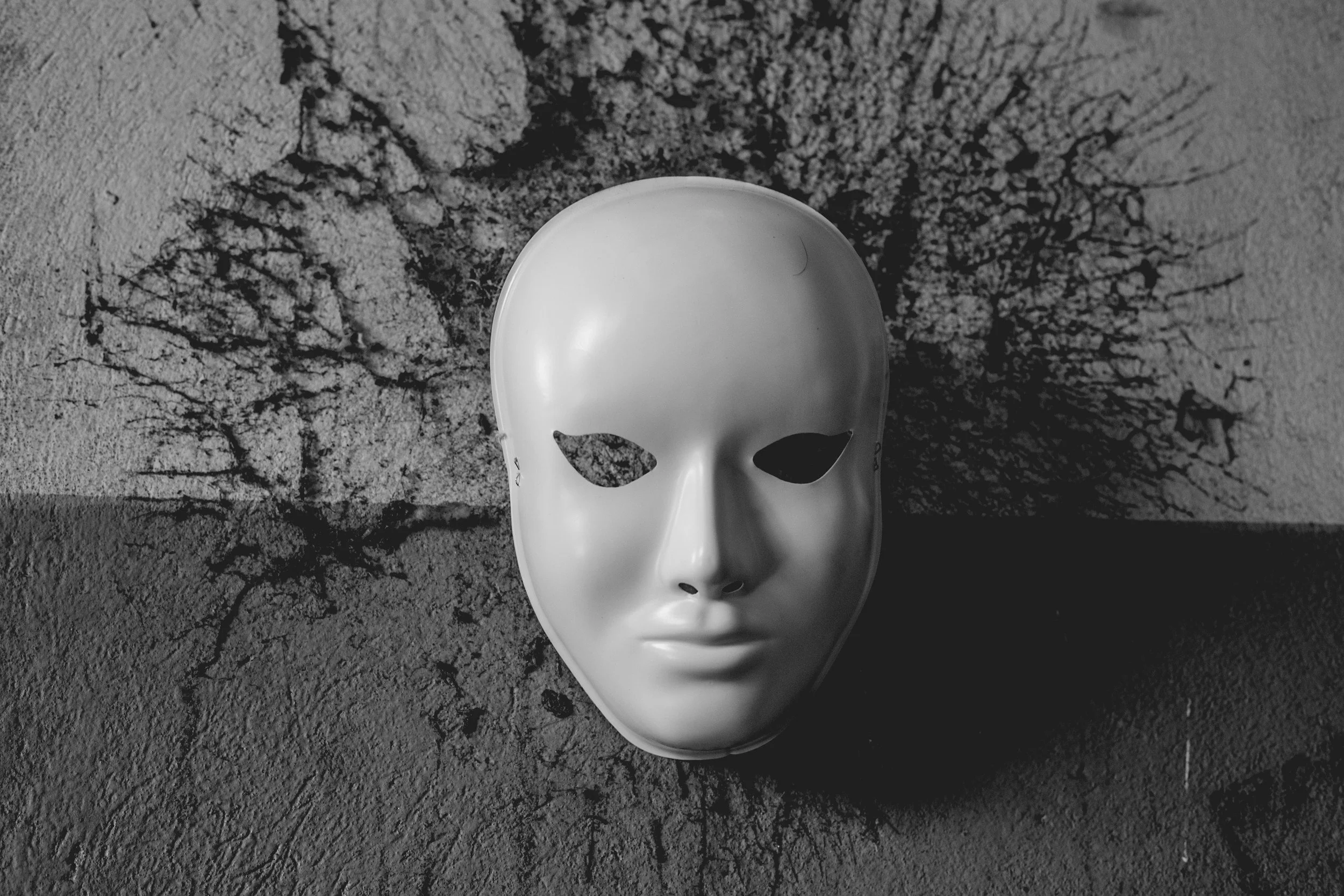
For his sister Olivia, the mask is one of medical compliance under the weight of mislabelling. The doctors see a girl battling anorexia, but this is a clinical mask forced upon her by a system that prioritises diagnoses over the person. Underneath that mask is a soul tuned to a different frequency, one that finds the world too loud and too bright. Her true self is not a problem to be fixed, but a sensory-sensitive individual whose wings have been clipped so she can fit into the world in a way that is acceptable.
To identify your own survival masks, you must look for where you feel your personality shifting to protect yourself. Like Jake, you might find a mask of invisibility that allows you to hide in plain sight. This mask feels like a shroud, keeping you safe from the conflict but also isolating you from the music of your own life. To know when this mask is active, try to sense when your actions are driven by fear - of being a burden, of being too loud, too much, or too quiet. Notice when you have to say silent and when and with whom you have to do that.
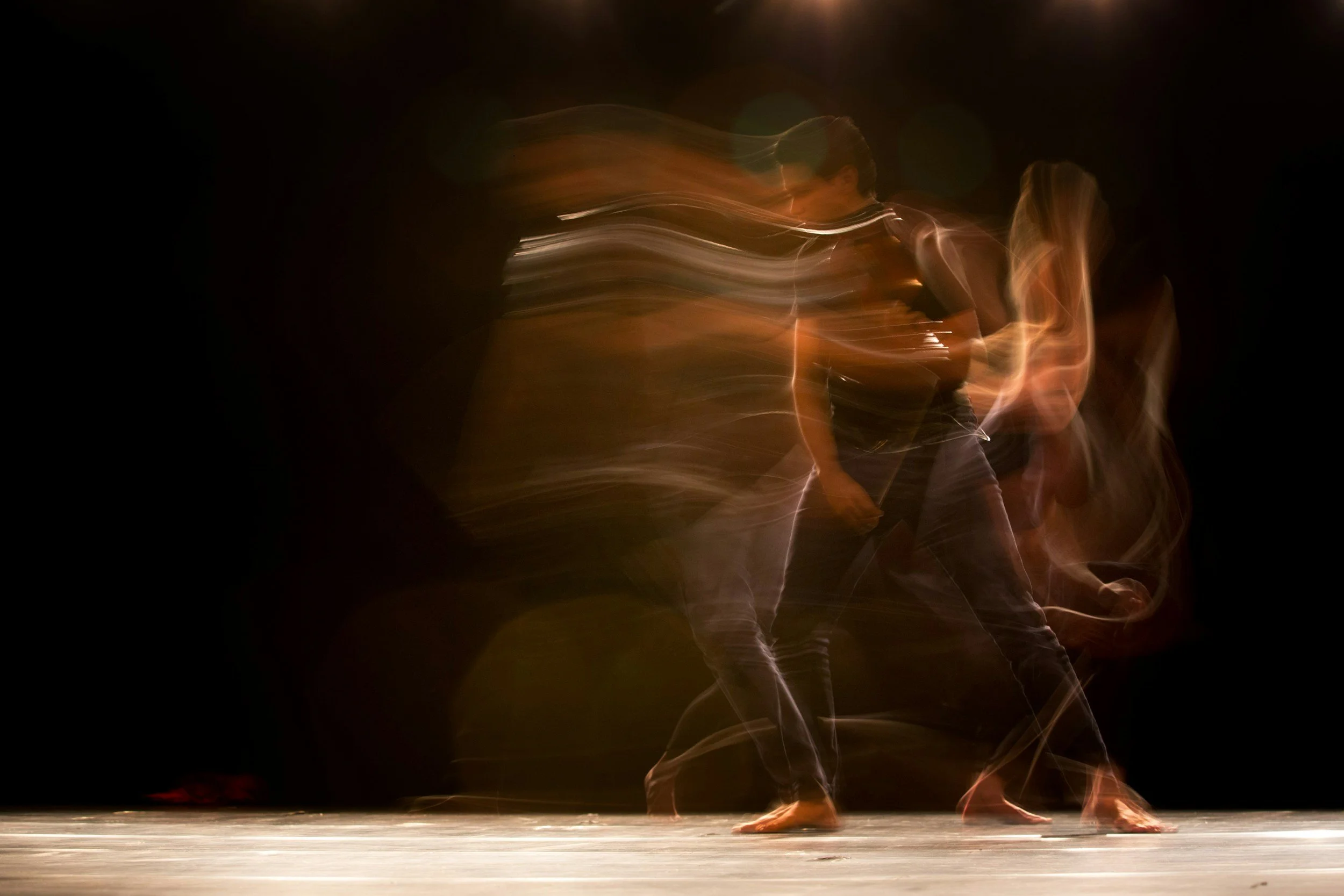
The truly ‘you’ parts of your soul are often found in the spaces where the noise finally stops. In Little Bird, this happens for the siblings, Jake and Olivia, when they find Riley, a traveller boy, and his horses. Away from sterile wards and dehumanising hospital stays, Olivia begins to find the freedom to simply exist again. Your authentic self is the one that emerges when you are not trying to be something you’re not for someone else’s comfort. It is the part of you that, like Olivia at the kitchen table, can finally let the air slowly leak out in relief when the labels are stripped away.
Unmasking involves recognising that meltdowns and shutdowns are not failures of character, but signals that your brain is overwhelmed with information it cannot process. When you stop fighting a broken system and start listening to the music track that works as a mood enhancer for your own life, the mask begins to shift.
Authentic living is the quiet, powerful connection that remains when the medical path fails and you realise you were never the problem the world told you that you were.

Unmasking also requires safety. Safe people, safe environment, safe sensory experiences. Some situations will require your mask to remain in place, and that is okay. It will take more energy and effort to be in that environment with your mask in place, so you’ll need to scaffold yourself to support your nervous system before and after that event.
This might look like:
Resting more the day before a big event or spending time with people you have to mask heavily with
Scheduling yourself sensory breaks through the event day
Ensuring you have rest time after the event, which might look like sleeping, going for a gentle walk, going to the gym, or anything that helps you feel regulated and calm
Letting the people around you who are safe know that you’ll be taking time to restore yourself in the ways that work for you
Little Bird releases this summer. To find out when and how you can pre-order a copy, sign up to my newsletter below.