How to Integrate Your Whole Self Into a Single Identity.
How can you to weave together your neurodivergence, your health journey and your wisdom into one cohesive identity?
When you are navigating life with a neurodivergent brain and a complex health journey, it is easy to feel as though you are living a fragmented existence.
On Monday, you might be a person trying to manage ADHD or autistic burnout. On Tuesday, you are a patient dealing with a chronic pain flare-up, an autoimmune issue, or joint instability. By Wednesday, you are trying to be a professional, a partner, or a friend, completely disconnected from the other parts of your reality.
This compartmentalisation is exhausting. When we treat our brains, our bodies, and our life lessons as separate, competing entities, we remain in a state of internal conflict.
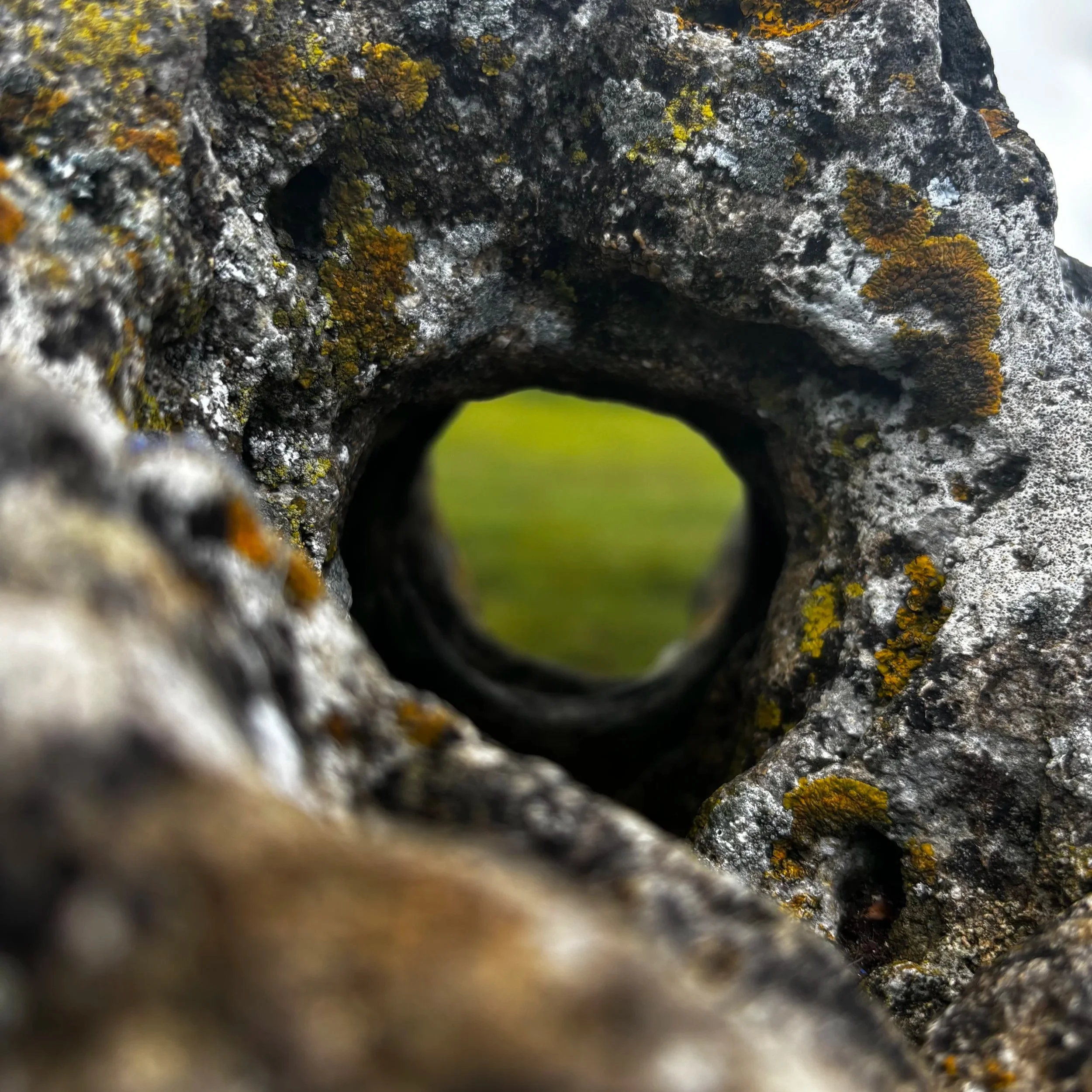
True healing begins when we step into The Integrated Self. This is the conscious practice of weaving your neurodivergence, your physical health journey, and the hard-won wisdom you have gathered along the way into one single, cohesive, and deeply respected identity.
Here are practical tips to help you stop managing your life in fragments and start living as a whole person.
1. Map the Intersections
Your nervous system does not care about medical specialities. It does not know where your neurodivergence ends and your physical health begins. In reality, they are constantly talking to each other.
For example, if you have a sensory processing sensitivity, a loud environment isn’t just mentally draining, it triggers a fight-or-flight response that can cause physical muscle guarding, digestive distress, or a pain flare-up. Conversely, chronic physical pain drains your executive functioning, making it much harder to focus, organise yourself, or mask neurodivergent traits.
The Tip: Start a daily or weekly intersection journal. Instead of just tracking traits and sensations in isolation, look for patterns. Ask yourself: How did my sensory overload today affect my physical pain? How did my physical fatigue impact my ability to focus? Recognising these bridges allows you to stop blaming yourself for failing in one area when your system was simply overloaded by another.
2. Body and Brain = One Ecosystem
Too often, we try to apply health protocols that actively fight our neurodivergence, or neurodivergent coping strategies that ignore our physical health. You might try an intense, rigid diet or exercise regime to heal your body, only for your executive dysfunction to rebel against the lack of flexibility.
An integrated self requires an ecosystem approach: every accommodation you make must serve the whole system.
The Tip: Design a unified care routine. If you need to take medication or supplements for your physical health but your neurodivergent brain struggles with object permanence, don't just rely on willpower. Set up a visual, low-friction system (like a beautifully arranged morning tray or a gamified phone app). If you need movement for your physical health but hate boring gym routines, choose dopamine-friendly movement like dancing, swimming, or intuitive stretching.
3. Trust Your Wisdom
It helps to see your health journey and your neurodivergence are not burdens.
Because you have had to navigate a world not built for you, you have likely developed deep levels of empathy, creative problem-solving skills, pattern recognition, and incredible resilience. This lived experience is a form of deep, intuitive wisdom that many people spend a lifetime trying to cultivate.
The Tip: Reflect on your lessons. Take a piece of paper and write down three of the hardest chapters of your neurodivergent or health journey. Underneath each, write down the specific internal strength, perspective, or boundary you developed as a direct result. This helps you shift your perspective from one of suffering to one of having found incredible self-knowing.
4. Rewrite Your Internal Narrative
We live in a culture that loves labels, and it is easy to become a walking collection of diagnoses. You might introduce yourself in your own mind as “the person with chronic fatigue, hypermobility, and anxiety.” This can keep you feeling like a passive patient.
An integrated identity helps you to step into the role of the author of your life. Your conditions are some of the words on the page, but they’re not the whole book.
The Tip: Practice using integrated identity statements. Instead of listing your conditions as defects, weave them into a statement of wholeness. For example: “I am a deeply perceptive, differently wired person whose body requires gentle pacing, and I use my lived experience to navigate the world with deep compassion.”
5. Boundaries
When you are fragmented, your boundaries are more likely to be weaker. You might agree to a social event because your mind wants the connection, completely ignoring the fact that your physical body is exhausted and your autistic traits are craving quiet isolation.
Integrated boundaries require you to consult your whole Self before making commitments.
The Tip: Use the Three Check-ins before saying yes to a new demand on your time. Ask yourself:
Does my brain have the bandwidth for this right now?
Does my physical body have the energy for this right now?
Does this align with the wisdom of what I know I need to stay well?
If any of the answers are no, then the answer to the external request must be a gentle but firm no.
Wholeness is Not the Absence of Trouble
Living as an integrated self does not mean that your neurodivergent struggles disappear, nor does it mean your health challenges are miraculously cured.
What it changes is your relationship to yourself.
When you stop viewing your brain as an enemy and your body as a broken machine, the internal civil war ends. You begin to see that you are a singular, complex, beautifully adapted human being. Your differences are your wiring, your health journey is your path, and your wisdom is your guide. By weaving them together, you become undivided, and that is where true strength lives.